

Computer Networks
Network foundations covering OSI encapsulation, topologies, Ethernet, IP addressing, routing, VLANs, NAT, and monitoring.
SDG alignment
SDG 9 · Industry, Innovation & Infrastructure
SDG 16 · Peace, Justice & Strong Institutions
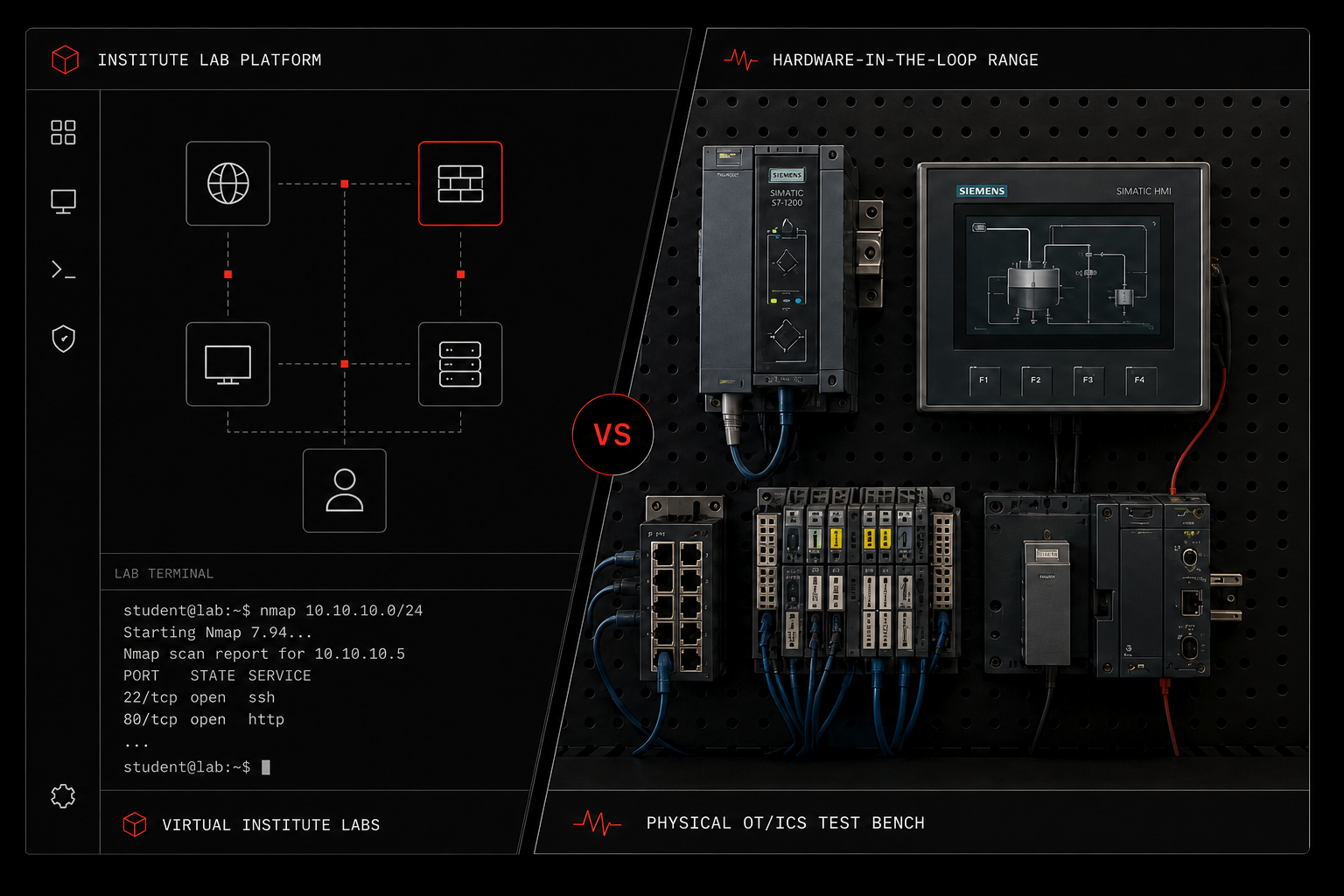
Private, curriculum-aligned cybersecurity labs for institutes, with faculty visibility, repeatable student environments and managed practical infrastructure. A separate hardware-in-the-loop range is being developed for OT/ICS training.

Field Validation
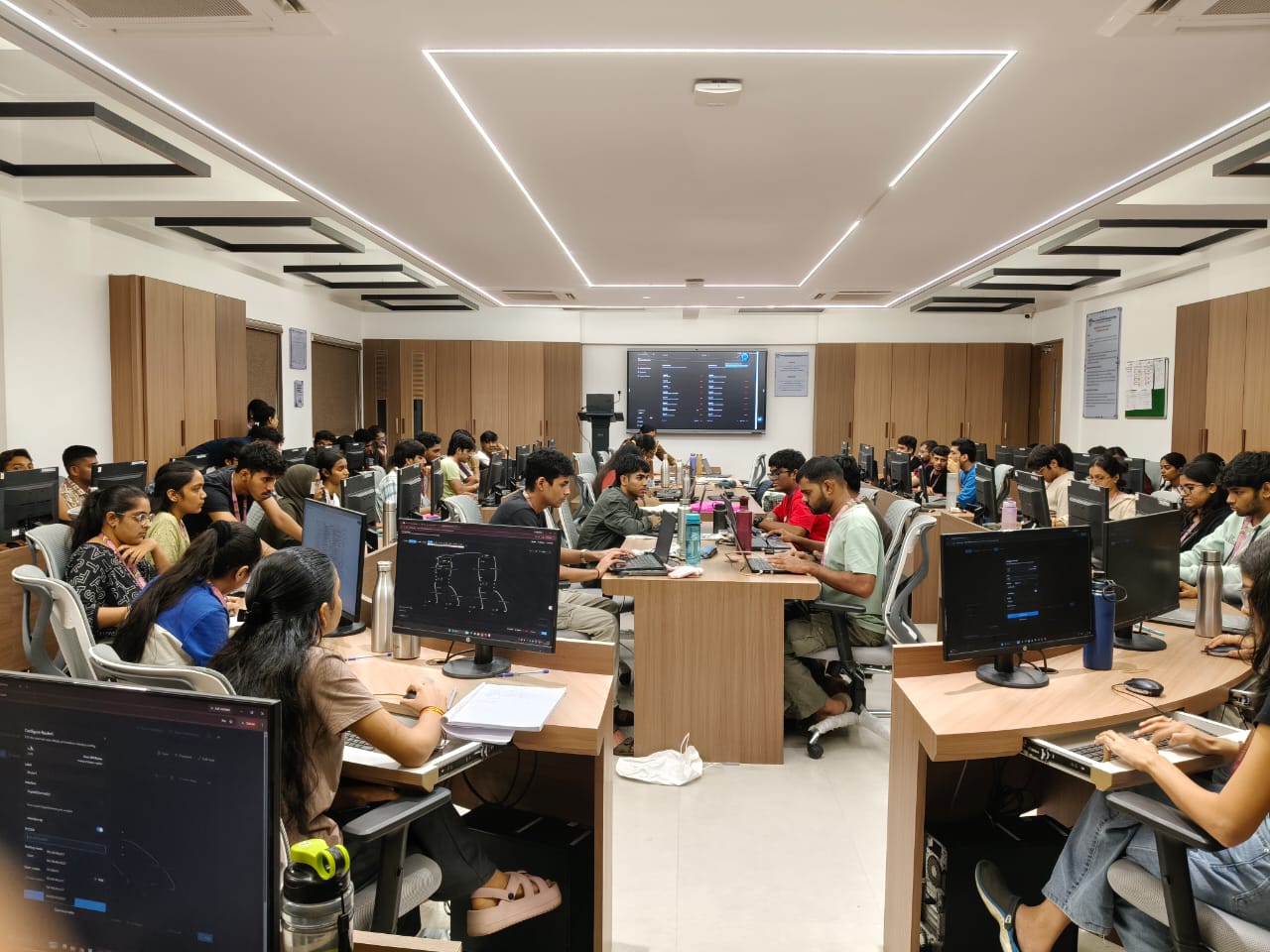
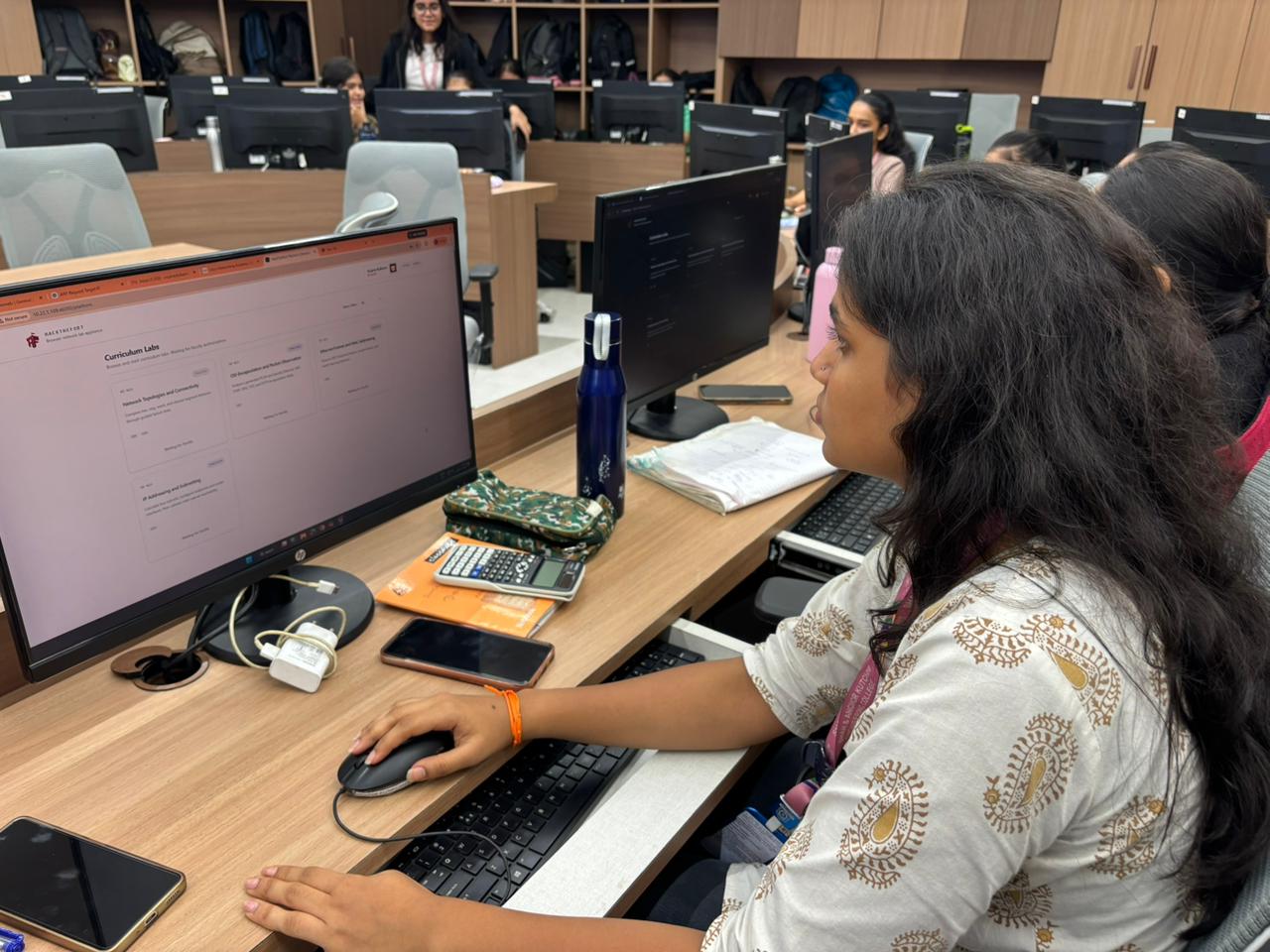
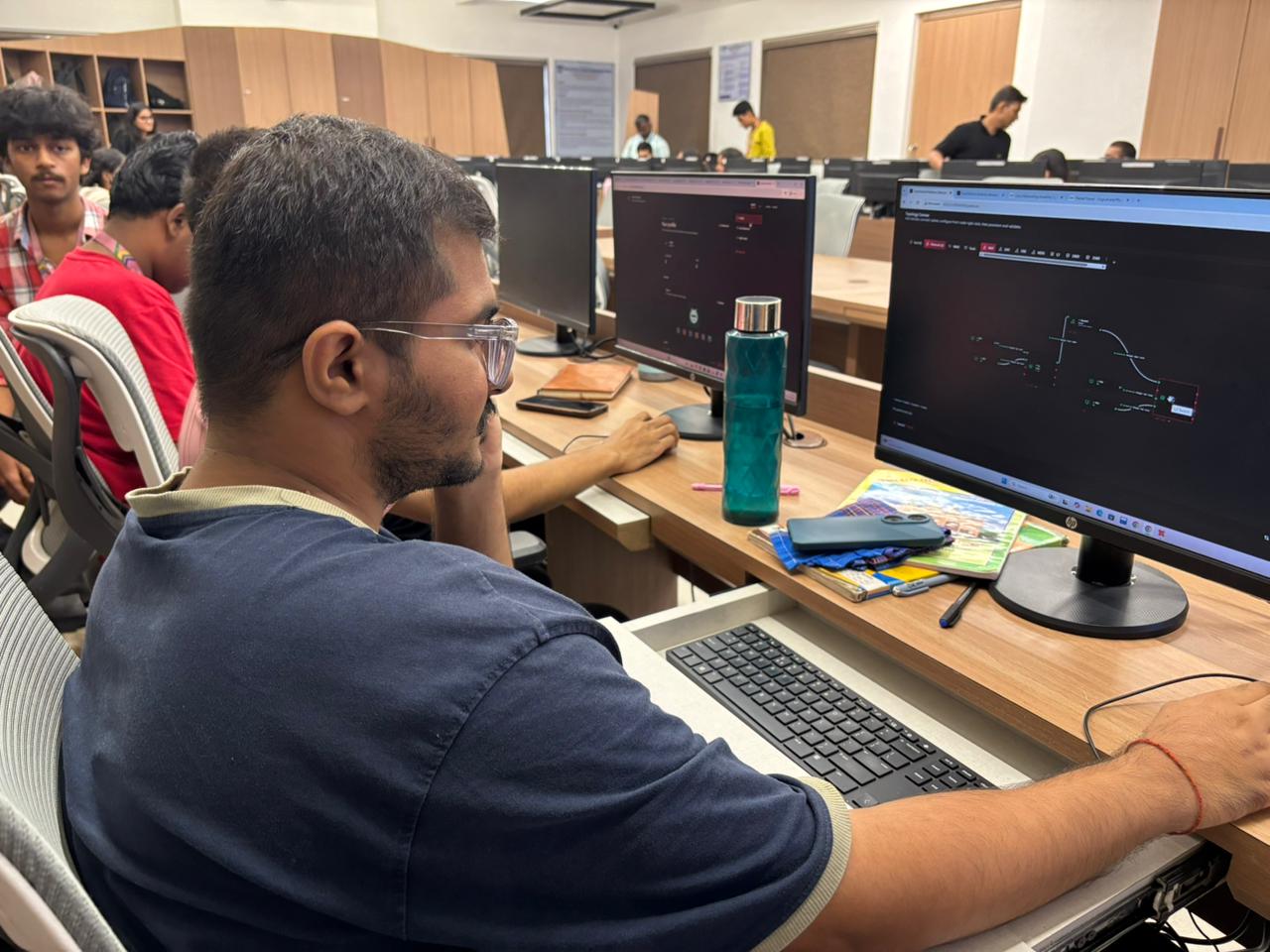
HackTheFort is incubated at VJTI TBI and was piloted with the Cyber Security Dept at SAKEC, where students used the platform in a live lab setting.

Incubated At
VJTI TBI
VJTI Technology Business Incubator

Piloted With
SAKEC
Cyber Security Dept

SAKEC Pilot Testing


01
Live institute pilot used to test student workflow, lab clarity, and practical classroom fit.
Make practical cybersecurity training more realistic, measurable, accessible, and safe.
Run private, repeatable cyber labs without building the infrastructure from scratch.


01 / 04
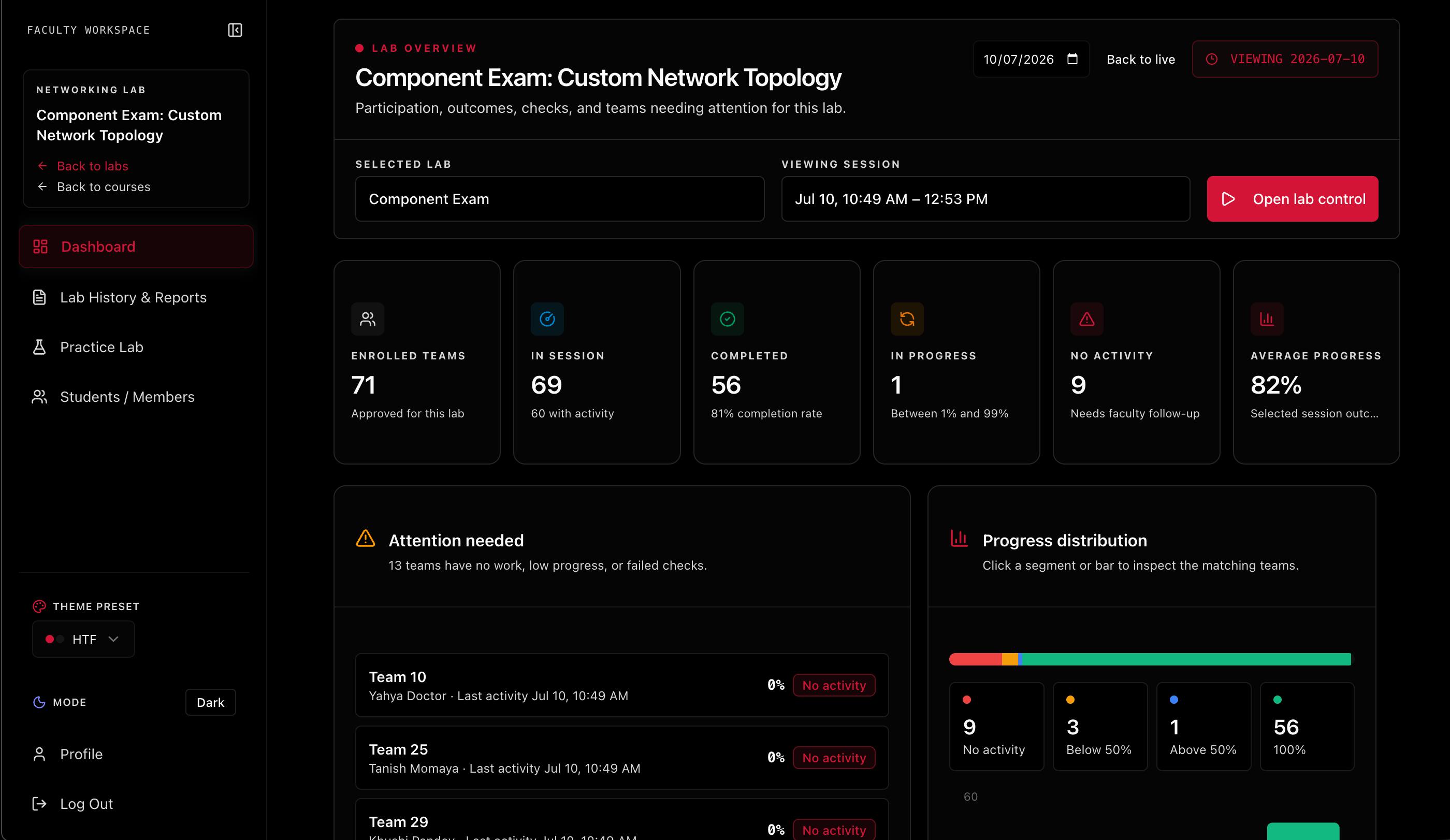
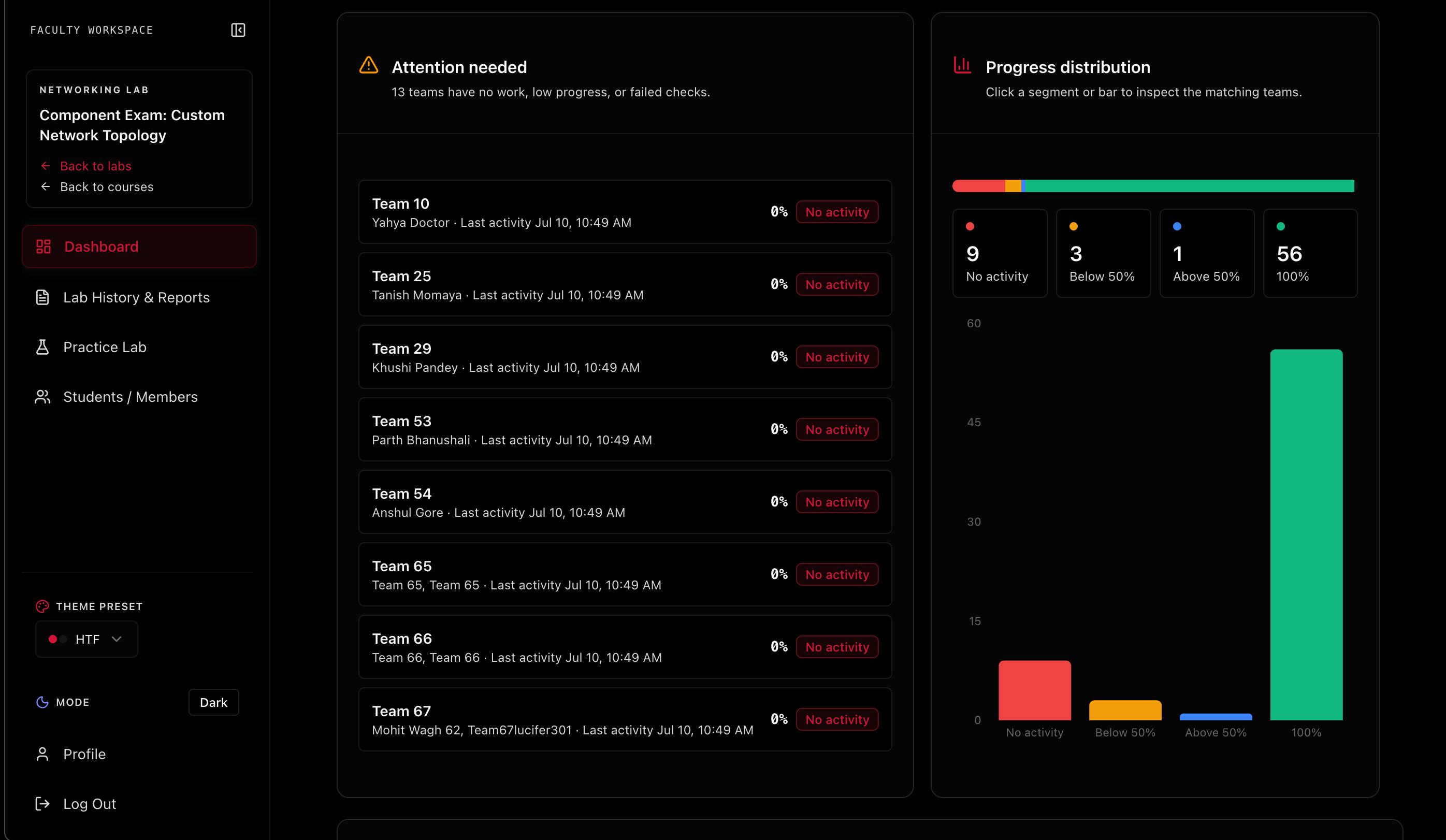
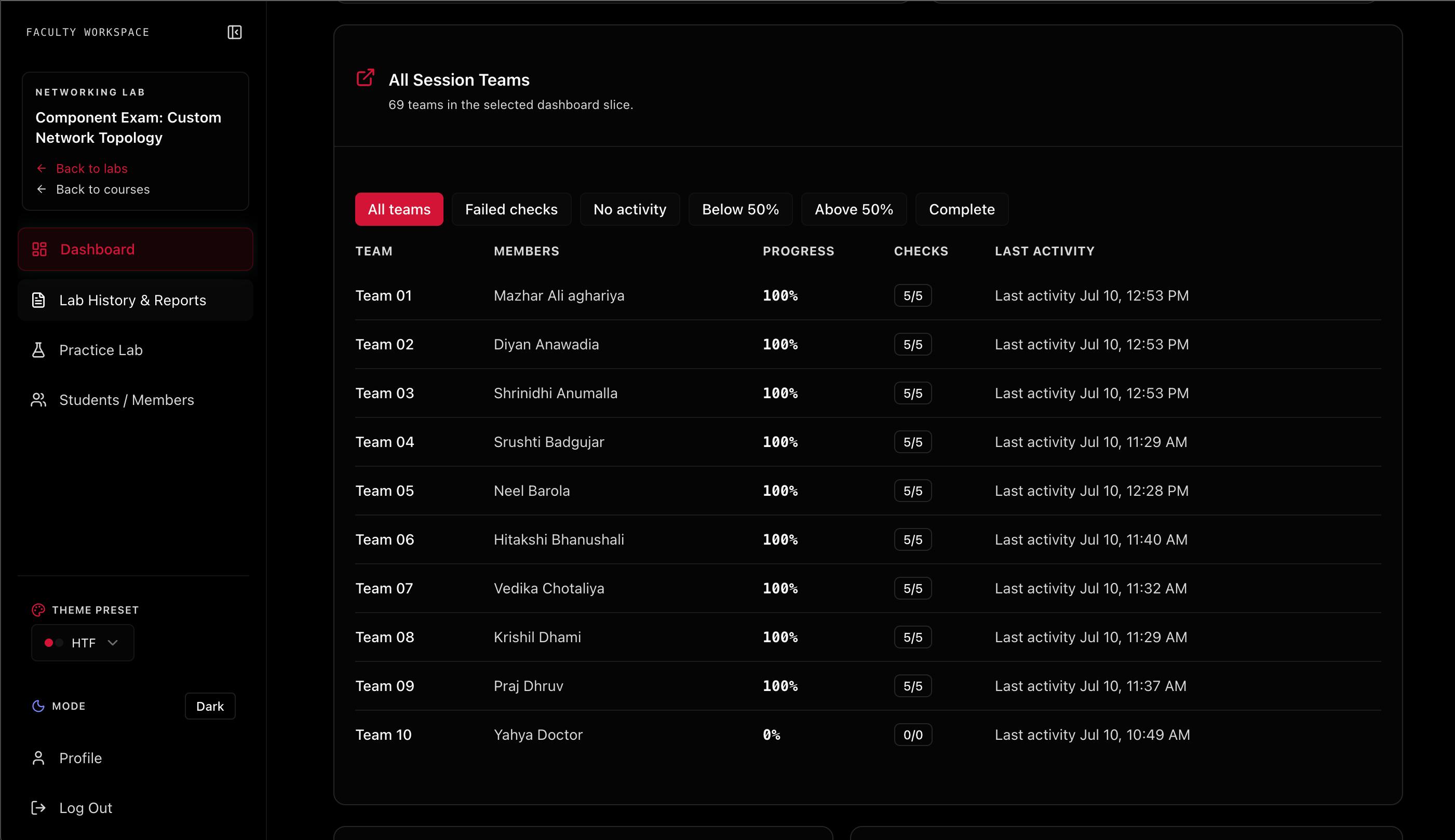
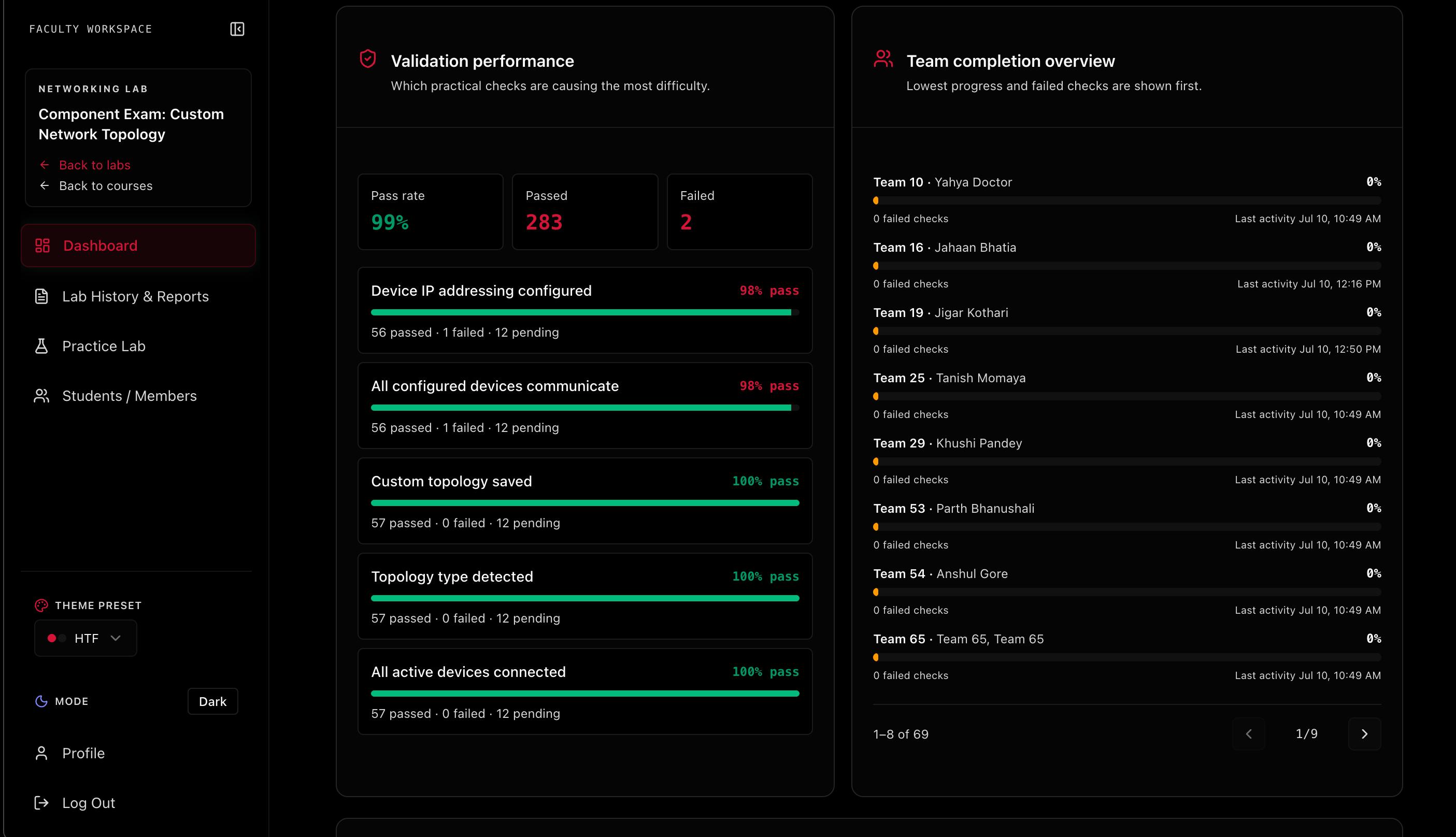
Real-time dashboard showing lab status, team participation, and progress metrics at a glance.
Early Partner Programme · First 5 institutes
HackTheFort is opening its Early Partner Programme to a hand-picked group of 5 institutes. Rather than one fixed bundle, each deployment is scoped around the subject your institute actually teaches — Computer Networks, Scripting Language & Security Automation, Cybersecurity & DFIR, DevOps/DevSecOps, Digital Forensics or OT/ICS — so the labs, infrastructure and pricing match what your students need. Early Partners receive onboarding and deployment support, curriculum-mapped labs for their chosen subject(s), faculty tools and ongoing platform improvements — and in return, we work closely with participating faculty to understand classroom requirements, practical workflows and areas where the platform can be improved.
HackTheFort has already been piloted in a live institutional lab environment at SAKEC. That pilot helped us test student workflows, lab delivery and the platform under real classroom conditions. We’re now inviting a small, hand-picked group of 5 institutes to join before a broader commercial rollout — working closely enough with each one to shape the platform around real classroom needs, not the other way around.
Early Partners work directly with our team, receive preferential early-partner pricing scoped to their chosen subject and cohort, and have an opportunity to influence how the platform evolves around real academic requirements.
Deployment model
Subject-based
Scoped to your curriculum
Programme length
Per academic term
Aligned to your semester
Onboarding
Included
Deployment & faculty support
Pricing
From ₹999/student
Varies by subject, cohort & scope
We deploy the lab environment for the subject(s) you teach. Starting rates below are indicative Early Partner pricing — your final quote depends on syllabus, cohort size and infrastructure requirements.
Foundations, subnetting/routing, troubleshooting and packet analysis.
From ₹999 / student
Cross-platform security automation: Linux Bash, Windows PowerShell, Web APIs & Go.
From ₹1,499 / student
Applied security fundamentals and digital forensics scenarios.
From ₹2,499 / student
Structured, reproducible practical workflows and pipelines.
From ₹1,499 / student
Investigation-style labs built around evidence and analysis.
From ₹2,999 / student
Cyber-physical labs on dedicated, separately scoped hardware.
Hardware-scoped
What your institute gets during the Early Partner Programme.
Structured cybersecurity practical environments that students can launch and use through HTF.
Labs are selected and mapped around the subjects and practical requirements agreed with the institute.
Students access assigned labs, instructions and practical environments from one place.
Faculty can manage courses, batches, labs and observe student practical activity.
HTF handles provisioning, resetting and operation of the agreed virtual lab environments.
The HTF team assists faculty during onboarding, deployment and the Early Partner period.
How the Early Partner Programme works.
You tell us which subject(s) you need; we review the syllabus, practical requirements, batches and existing infrastructure.
Together with faculty, we identify the subjects and labs to be included during the Early Partner period.
HTF configures the institute workspace, faculty access, student batches and required lab environments.
Faculty and students begin using the labs during practical sessions while HTF supports the deployment.
Faculty feedback, student usage and operational learnings are used to improve labs and platform workflows during the programme.
At the end of the agreed term, we review usage, feedback and the institute’s requirements for continued deployment.
Different cybersecurity labs have very different infrastructure requirements. A lightweight networking practical does not consume the same resources as a multi-machine security or forensic environment.
During onboarding, HTF reviews the selected subjects, batch structure and practical timetable with the institute and plans the lab environment accordingly. Dedicated infrastructure or specialised hardware requirements can be scoped separately.
Relative compute load, by lab type
Networking lab
Lightweight
DevSecOps lab
Moderate
Digital Forensics lab
Multi-VM, higher
OT/ICS (HIL) is not part of the standard EPP infrastructure — it runs on separate, dedicated hardware and is scoped independently.
Illustrative only. Exact concurrency and infrastructure sizing is confirmed during onboarding, based on your selected labs and batch schedule.
Early Partner Programme
Subject-based institutional deployment
From ₹999 per student
Starting rate for Computer Networks — other subjects are priced separately above. Your final quote depends on the subject(s) you choose, cohort size and infrastructure required. We share a proposal after a short scoping conversation with your faculty — introductory Early Partner rates apply to a limited number of institutes during HackTheFort’s current institutional validation phase.
Included
Separately scoped
Lab domains
Network foundations, packet analysis, routing, switching and troubleshooting environments.
Evidence acquisition, integrity verification, deleted-file recovery, static analysis and investigation workflows.
Cross-platform automation covering Linux Bash, native Windows PowerShell, Web APIs, and Go security tooling.
Application, container, CI/CD and secure-development practical environments.
Log analysis, incident investigation and defensive monitoring scenarios.
A separately developed hardware-in-the-loop track combining simulated processes with real industrial control hardware.
Separate R&D / specialised deployment
Curriculum impact
HackTheFort connects approved laboratory experiments with measurable cybersecurity learning outcomes across the SAKEC curriculum. Each area reflects a practical pathway from academic content to hands-on capability.
Network foundations covering OSI encapsulation, topologies, Ethernet, IP addressing, routing, VLANs, NAT, and monitoring.
SDG alignment
SDG 9 · Industry, Innovation & Infrastructure
SDG 16 · Peace, Justice & Strong Institutions
Practical investigations using evidence acquisition, metadata, password security, hidden information, and network traffic analysis.
SDG alignment
SDG 9 · Industry, Innovation & Infrastructure
SDG 16 · Peace, Justice & Strong Institutions
Cross-platform security automation spanning Linux Bash, native Windows PowerShell, Web & API security, and Go pipelines.
SDG alignment
SDG 9 · Industry, Innovation & Infrastructure
SDG 16 · Peace, Justice & Strong Institutions
A planned practical sequence spanning Git, GitHub, Jenkins, Selenium, Docker, security analysis, threat modeling, and cloud-ready delivery.
SDG alignment
SDG 9 · Industry, Innovation & Infrastructure
SDG 16 · Peace, Justice & Strong Institutions
The curriculum combines practical experimentation, industry-relevant tools, and responsible technology outcomes aligned with the United Nations Sustainable Development Goals.
Who should join
Running cybersecurity, computer engineering, IT or related programmes.
That want repeatable practical environments without manually rebuilding every lab.
Looking for greater visibility into how students perform practical work.
Such as Digital Forensics, DevSecOps, SOC or OT/ICS security.
HIL CYBER RANGE / SEPARATE R&D TRACK
Study cyberattacks against real control hardware without risking live production.

STARTING FOCUSED
One controller, one process, one repeatable scenario.
Explore the Early Partner Programme with our team. We’ll understand your curriculum, practical requirements and existing infrastructure before recommending a deployment.
Now onboarding our first 5 Early Partner institutes